UX DESIGN ASSOCIATE, FULCRUM GT
De-risking enterprise legaltech implementations
Role
Sole designer, May 2026 - Present
Team
2 product managers, 2 engineers, 1 business associate
Skills
User Research, Design System, Prototyping, Front-end development


Fulcrum GT builds the financial and operational backbone that global law firms run on.
Headquartered outside Chicago, Fulcrum is SAP's designated preferred partner for the legal and professional services market. A ~500-person company across three continents, with 30+ patented products and a platform carrying more than 20,000 industry-specific features. This product came out of Fulcrum's Startup Lab.
33%
projected reduction in the cost of an implementation project
50%
projected reduction in rework time for requirement-capturing
Implementation projects break at three points: scoping, tracking, and foreseeing what's coming
Scoping the Requirements
Knowing what the clients are asking for, and getting it down right.
Tracking Project Delivery
Keeping one defensible view of where the project stands.
Foreseeing what's coming
Plans start optimistic, and slips surface only when they land.
Solution
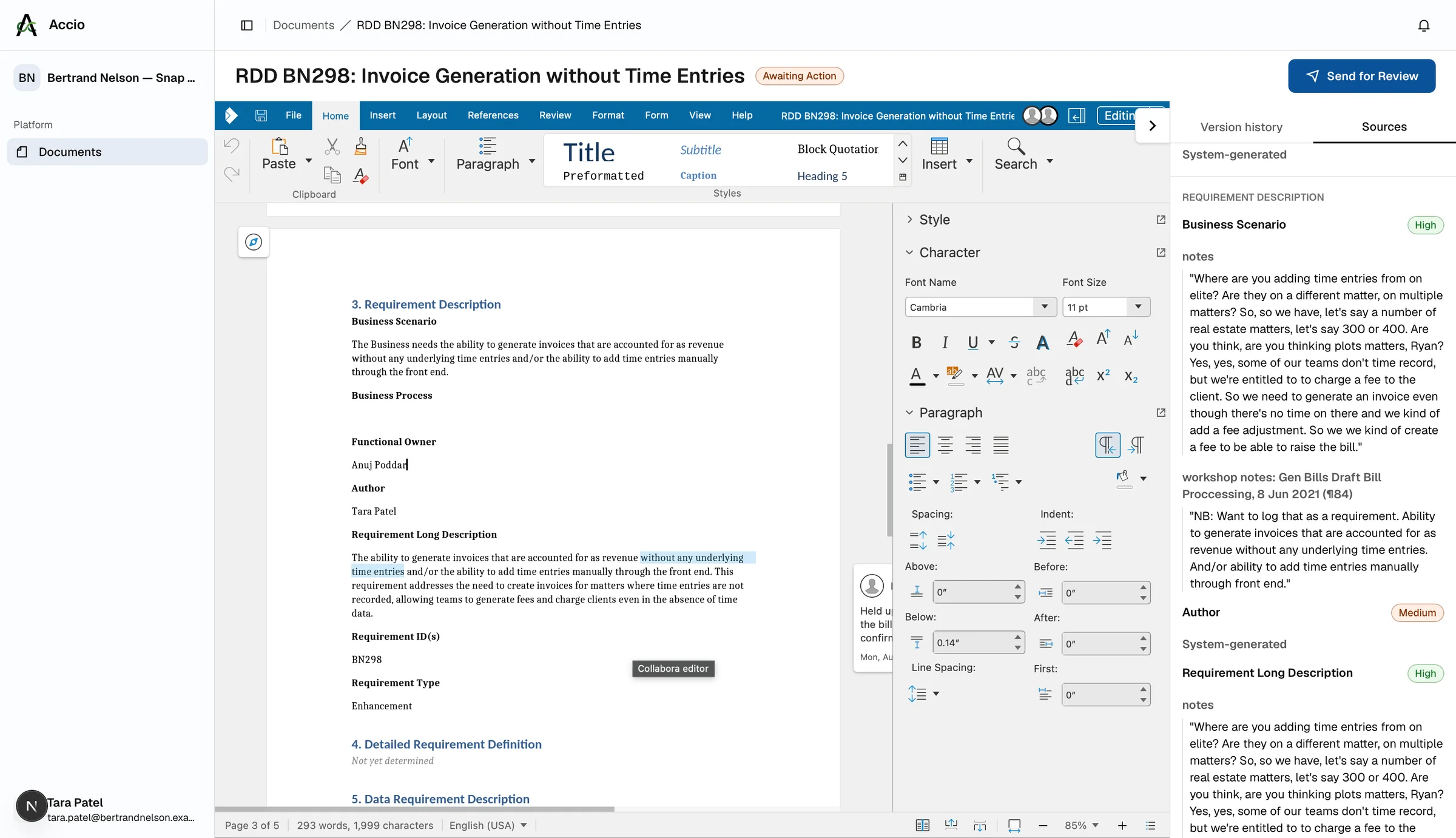
Requirements, drafted for review

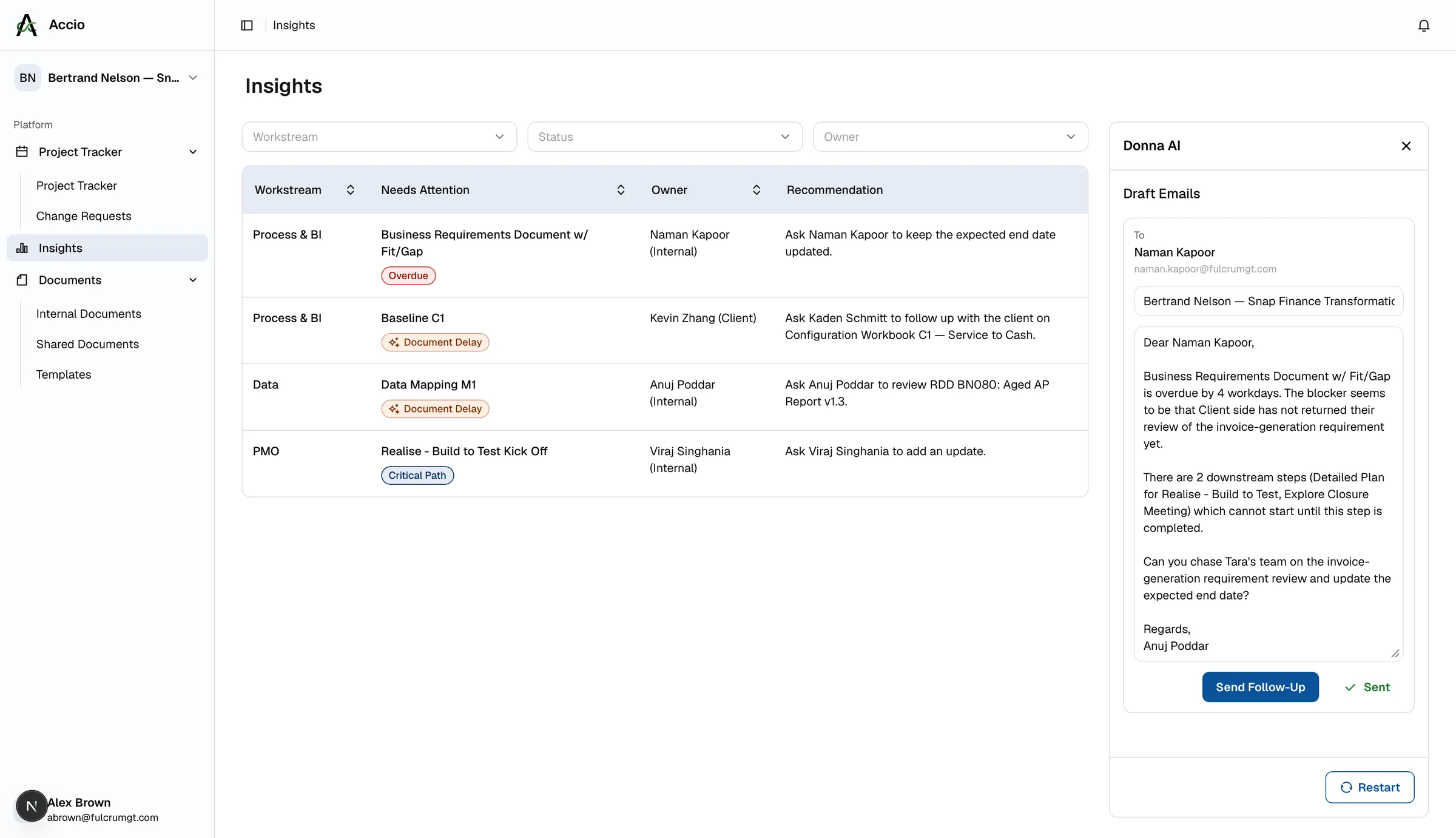
One governed live view
Predict failure before it happens
RESEARCH
—
Interviews
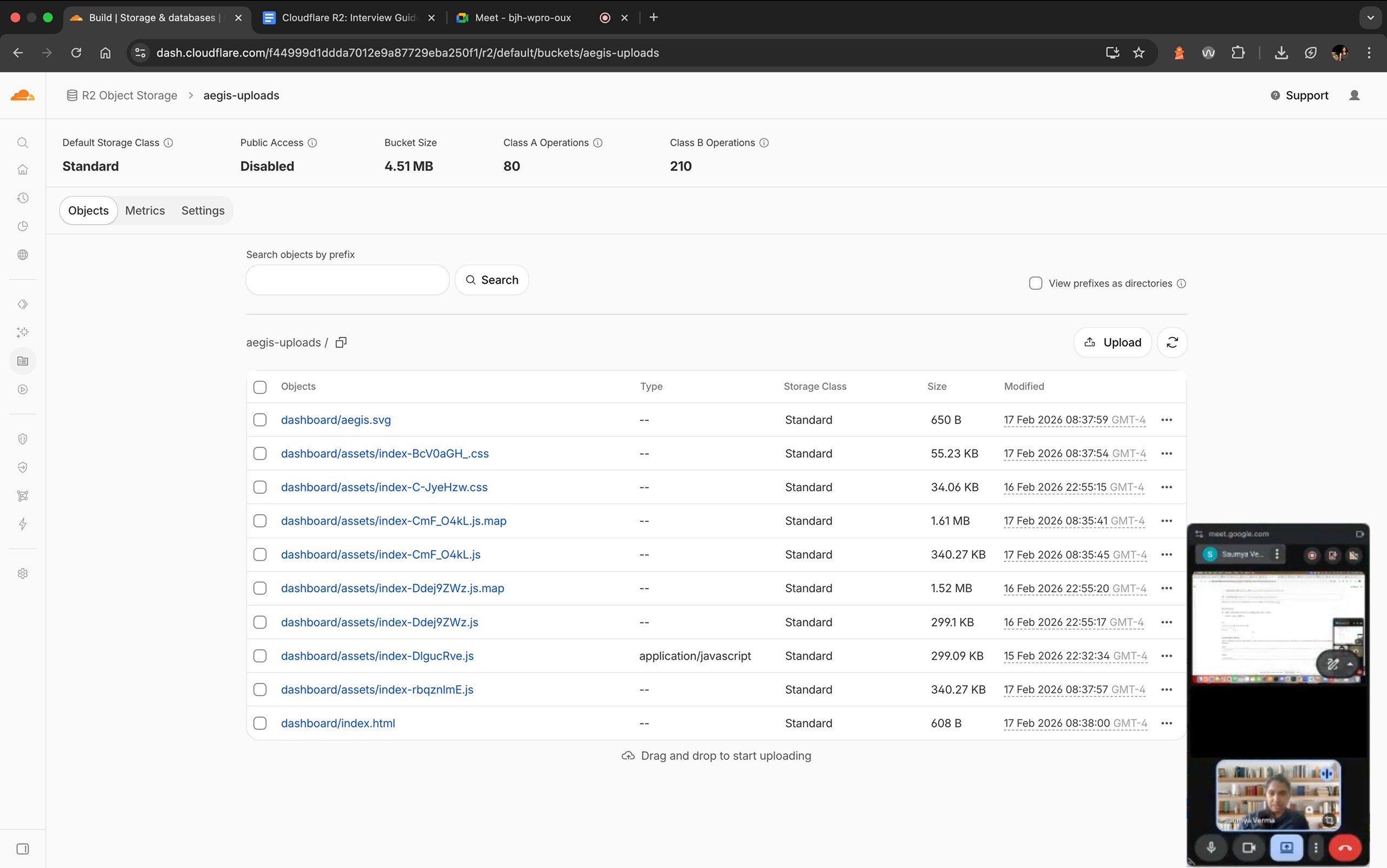
I conducted semi-structured interviews with 4 users to understand their daily workflows, dashboard usage patterns, and friction points.
Understanding User Needs
Functional Lead (Client)

Requestor

Approver

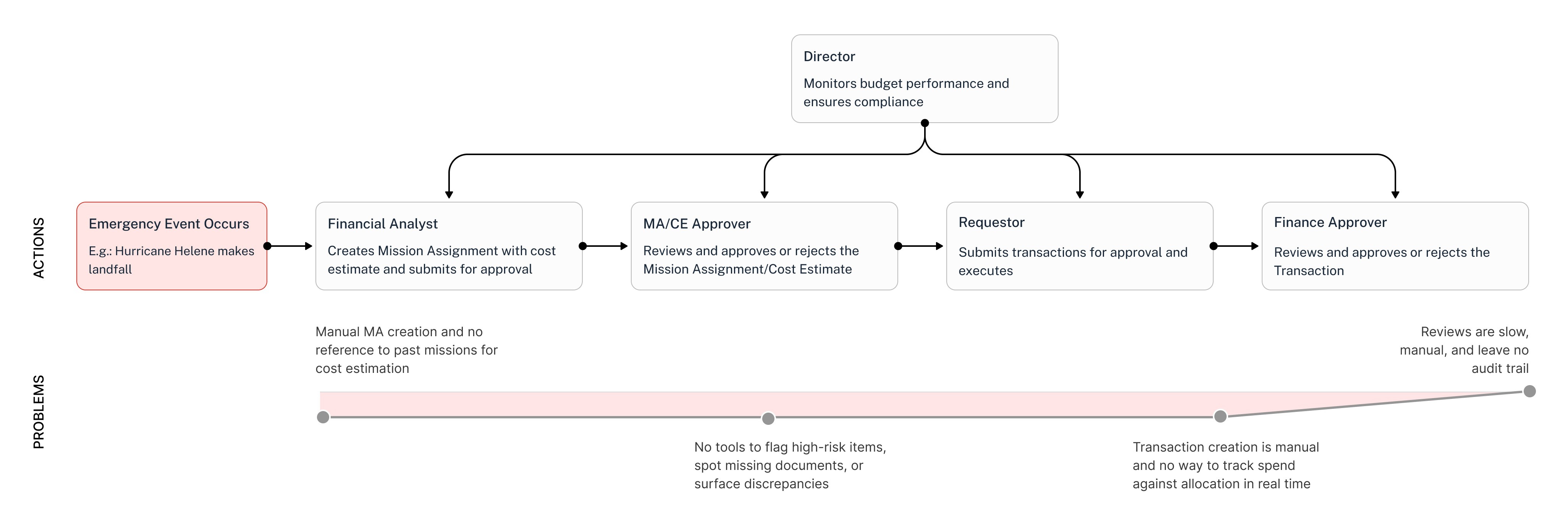
Organizational Workflow
The current platform treats a multi-role, time-sensitive workflow like a series of isolated forms with no intelligence, visibility, or continuity between steps.
IDEATE
—
How Might We

Faster Creation
How might we help financial analysts create mission assignments and estimate costs without manual data entry?
Informed Purchasing
How might we help requestors track spend against allocation before committing to a purchase?
Confident Approvals
How might we help approvers surface discrepancies and make confident decisions without line-by-line review?

Real-Time Oversight
How might we give directors real-time visibility into budget utilization across all mission assignments?
Design Decisions
Core Principle 1: AI informs, humans decide

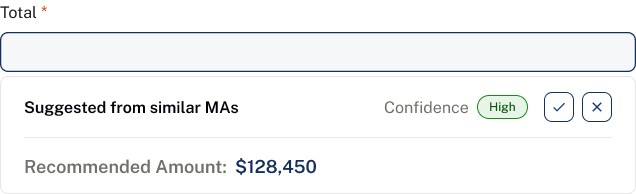
AI suggests a cost estimate based on past mission assignments

Intelligent funding line suggestions from expense descriptions
Similarly, AI recommends funding lines based on expense descriptions but never fills them out for the user.
Core Principle 2: Every decision leaves a trace

Define the approval chain once, enforce on every request
Admins compose the approval sequence as a reusable rule - roles, order, and parallel reviewers - so routing is a configuration decision, not a per-request judgment call.

Who approved what, when, and why, on the record itself
Every state change is attributable to a named person and timestamp, with reviewer comments inline. The audit trail lives in the workflow, not in an export.
PROTOTYPE
—
Wireframing
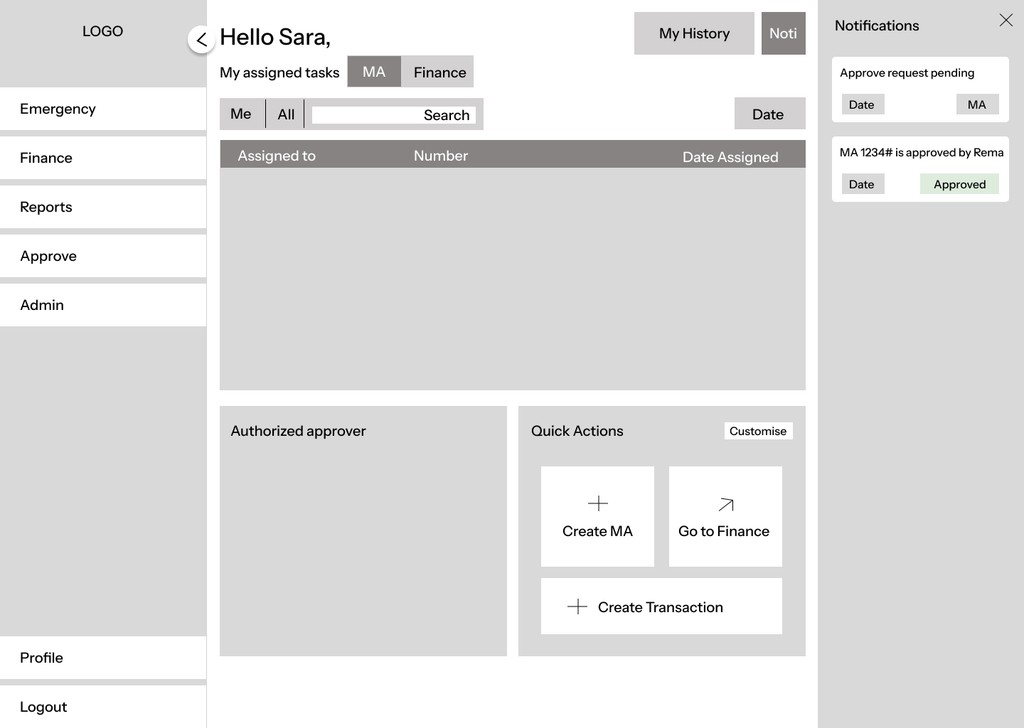
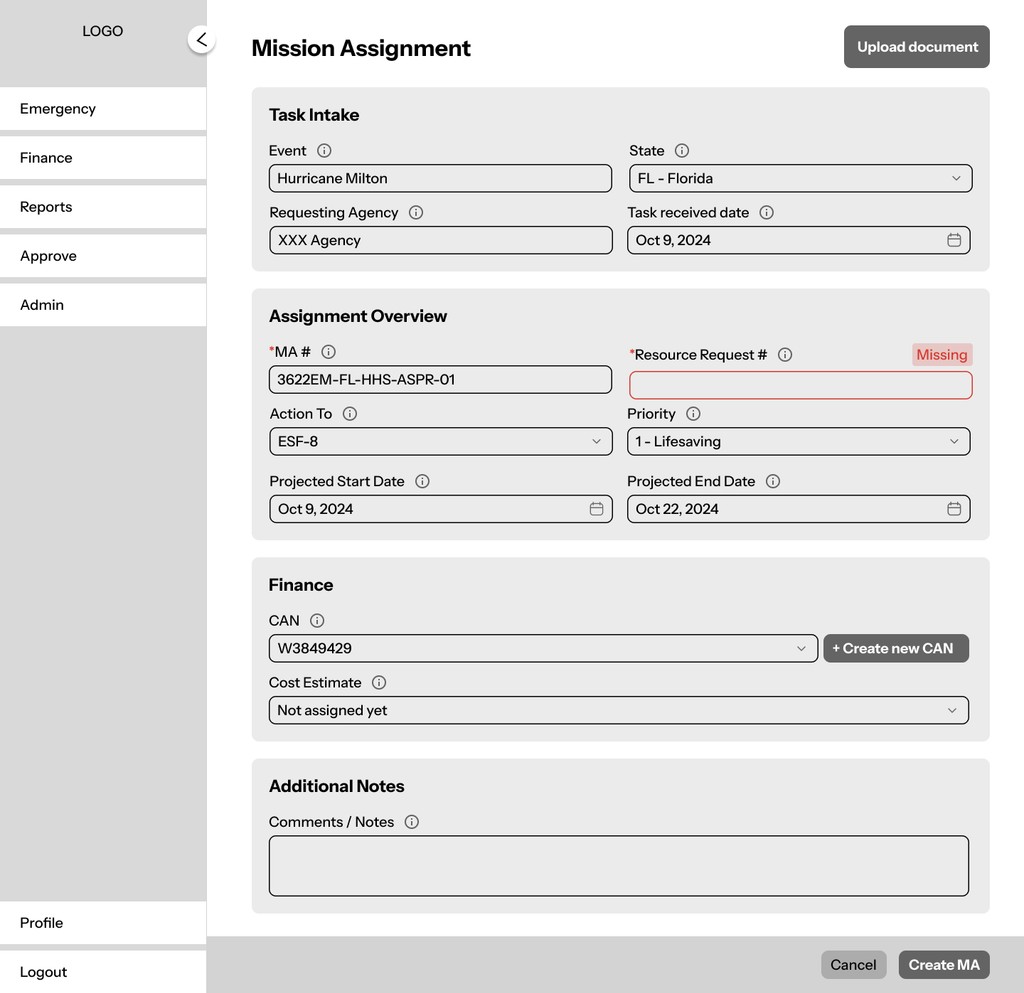
We made early sketches and wireframes to define core layouts and key workflows. We also explored multiple design directions for different interaction patterns and system structures.
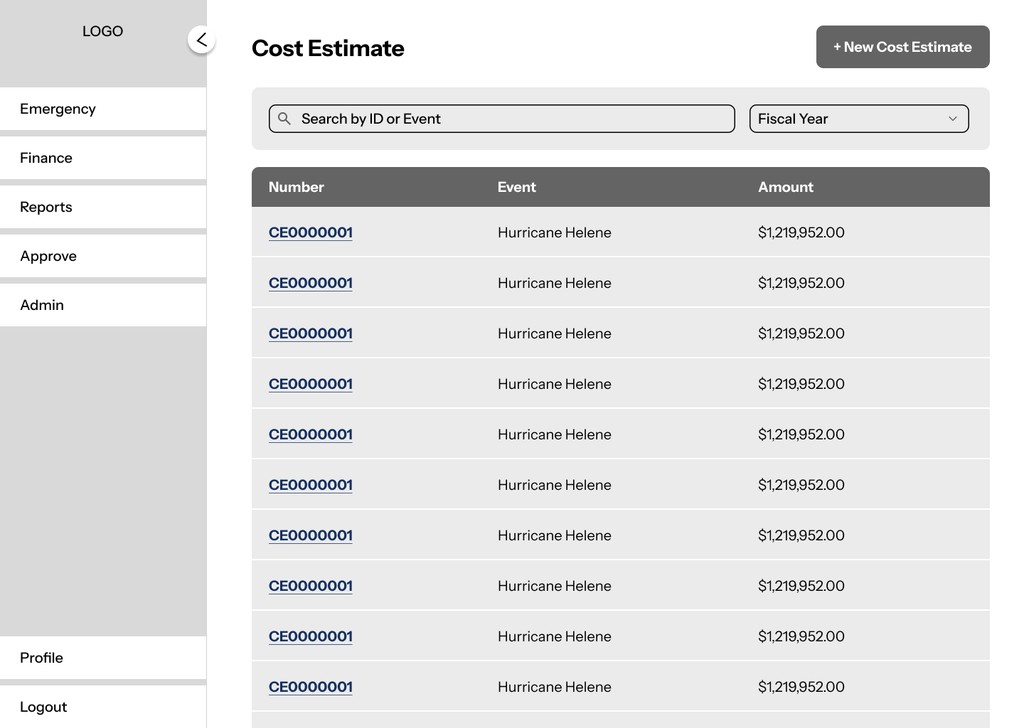
Design System
We built a comprehensive design system from scratch in Figma with 85+ reusable components, including buttons, tables, navigation, and form elements, so that every screen across web and mobile inherited a shared visual language.

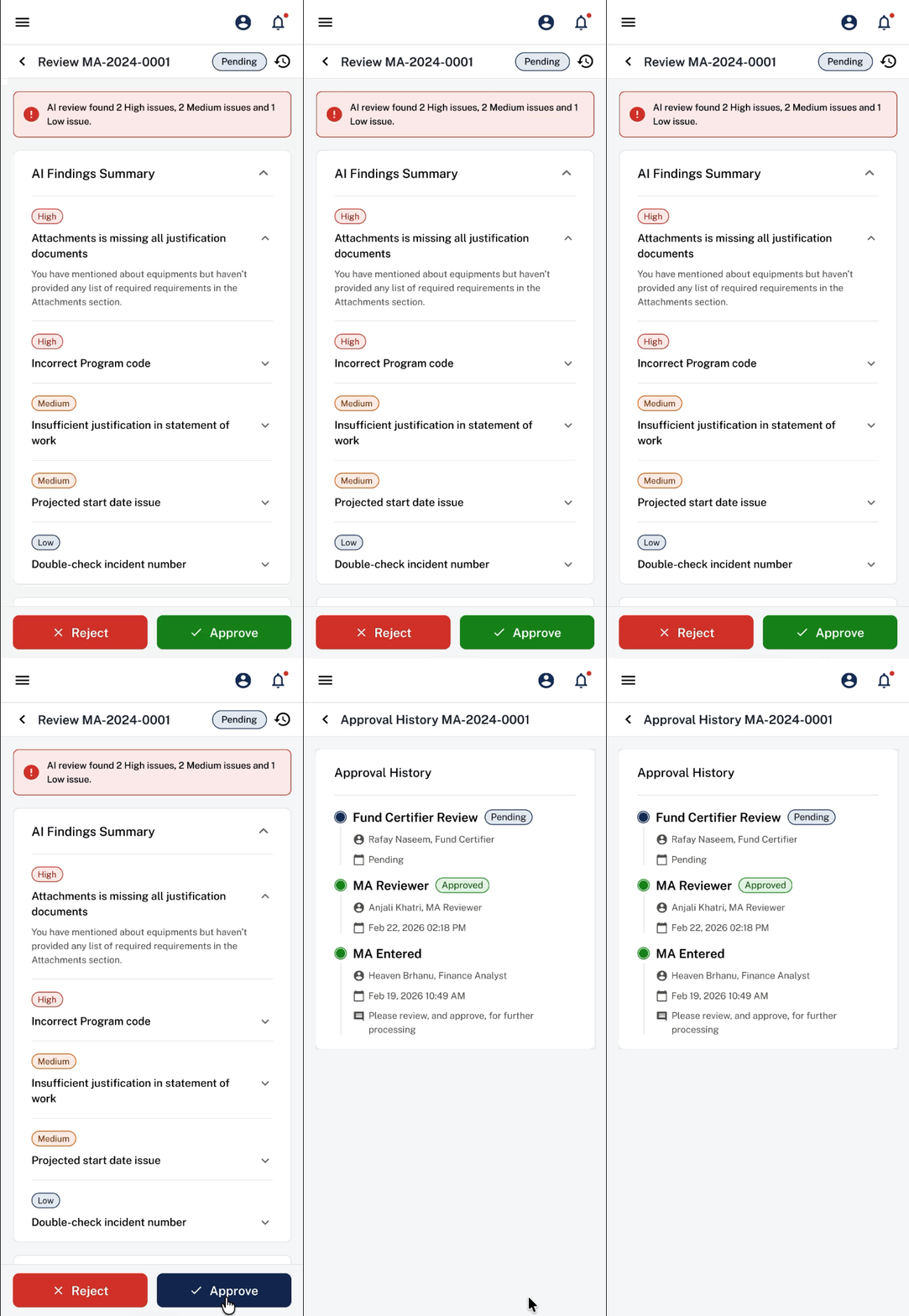
Mobile
The MVP was desktop-first, but field operators don't always have a desk. The mobile experience is scoped to fast, confident decisions: review queues, single-decision approval views, and quick status checks, without trying to compress every desktop flow into a phone.


TEST
—
We tested the prototype with 6 participants deliberately recruited across a spectrum, from seasoned InCEP users to first-time users with no financial planning background. Testing focused on 4 tasks that mirror the full approval chain: create a Mission Assignment, create a Cost Estimate, approve the estimate, and create and approve a Transaction.
Key Insights
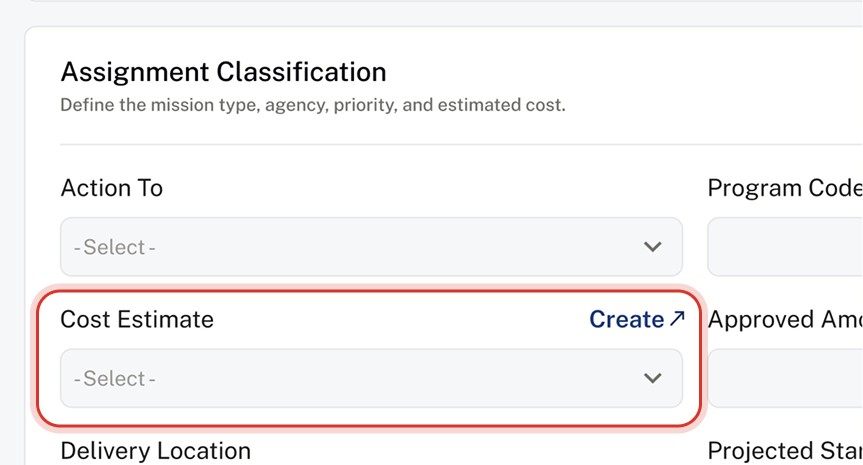
Discoverability & Clarity
Users struggled to understand key actions.
The “Create Cost Estimate” link is not obvious.
Terminology (CE, MA, funding lines) is confusing for new users.
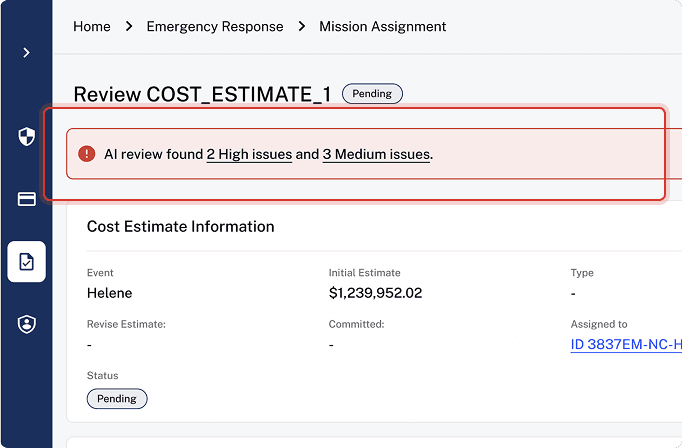
AI Visibility
AI features were valuable but often missed.
AI Review is not prominent.
Trust & Control
Users were unsure how much to trust AI outputs.
Confusion around confidence score & data source.
Users wanted to see the “why” behind confidence scores.
This eight-month project with a real client, a real approval chain, and real constraints taught me more than any classroom project could. Here's what stayed with me:
Building a design system from scratch taught me that the system isn't the components, but the decisions baked into them. Every token, spacing rule, or state variant is a decision you make once, so you never have to make it again.
Designing for four users sharing one workflow is negotiation. Every screen had to serve the person using it without breaking the experience for the person who touches it next. The hardest design problems weren't visual; they were figuring out what the Approver needs to see that the Analyst didn't know to provide.
AI is easiest to design when you stop asking "where can we add AI?" and start asking "where is a human doing work a machine should handle?" That reframe eliminated half our ideas and sharpened the rest. The features we cut were more important than the ones we kept.